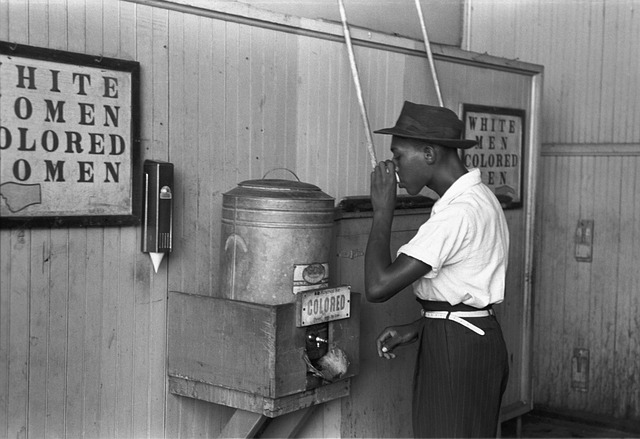
Vagrancy Laws and Black Codes
The history of vagrancy laws and Black Codes in the United States is a tangled web of legalese and social control, often designed to keep certain populations in check. If you’ve ever wondered why some laws seem to have been created with a side of oppression, you’re not alone. Grab your favorite snack and let’s dive into this historical quagmire!
What Are Vagrancy Laws?
Vagrancy laws are essentially legal tools that were used to target individuals deemed "unemployed" or "idle." Sounds a bit like your last family gathering when Uncle Bob wouldn’t stop asking why you don’t have a “real job,” right? These laws were particularly aimed at African Americans in the post-Civil War era, making it illegal for them to be without work or a permanent residence. The irony? Many were jobless due to systemic barriers, not a lack of effort.
The Birth of Black Codes
After the Civil War, Southern states scrambled to maintain control over their newly freed African American populations. Enter the Black Codes. These laws were the legal equivalent of putting a “No Vacancy” sign on economic opportunity for Black individuals, effectively limiting their rights and freedoms. Think of it as a really bad sequel to a movie that should have ended with the Civil War.
Key Features of Black Codes
- Vagrancy Laws: As mentioned, these laws targeted unemployed Black individuals, making them vulnerable to arrest and forced labor.
- Apprentice Laws: Black orphans and dependents could be “apprenticed” to white individuals, which often meant they were essentially forced into labor without any pay. Talk about a rough start to adulting!
- Commercial Restrictions: Many Black individuals were barred from certain trades and businesses, limiting their ability to earn a living and build wealth.
- Property Ownership: Ownership of property was often restricted, which is a surefire way to keep someone from building a future.
The Northern Reaction
Interestingly, the Northern states had their own reactions to these laws. While some states passed legislation to eliminate overt racial discrimination, they still retained laws that imposed harsher penalties on Black individuals. It’s like saying, “We’re not racist! But we’ll still throw the book at you if you step out of line.”
Repeal and Legacy
Most of the Black Codes were repealed by the Constitution of 1867, but the legacy of these laws continues to echo in contemporary society. The shadow of vagrancy laws and their implications can still be felt, as discussions about systemic racism and economic inequality remain as relevant as ever. It’s a reminder that history isn’t just a dusty old book; it’s a living, breathing entity that shapes our present.
Conclusion
In summary, vagrancy laws and Black Codes were not just legal terms; they were instruments of oppression that affected countless lives. Understanding their history helps us recognize the importance of equality and justice in our society today. So, the next time you hear someone say, “It’s just a law,” remember that laws can have a profound impact on people’s lives—especially when they’re designed to keep certain groups marginalized. And let’s face it, no one wants to be the Uncle Bob of legal history.



















 Emerald Coast Harley Davidson!
 Health
  Fitness
  Lifestyle
  Tech
Tech  Travel
  Food
Food  Education
  Parenting
  Career & Work
  Hobbies
  Wellness
  Beauty
  Cars
Cars  Art
Art  Science
  Culture
  Books
Books  Music
Music  Movies
  Gaming
  Sports
  Nature
  Home & Garden
  Business & Finance
  Relationships
  Pets
Pets  Shopping
  Mindset & Inspiration
  Environment
  Gadgets
  Politics