Southeast Asia
Introduction
Southeast Asia is a vibrant and diverse region located in the southeastern part of Asia. It comprises eleven countries, each with its unique cultural, historical, and geographical characteristics. This region is known for its rich heritage, economic potential, and strategic importance in global affairs.
Geographical Overview
The geographical landscape of Southeast Asia is varied, featuring a mix of mainland and insular territories. The region is primarily situated on the Sunda Plate, which includes most of the countries in Southeast Asia, except for Myanmar, northern Thailand, northern Laos, northern Vietnam, and northern Luzon in the Philippines. The area is characterized by its tropical climate, lush rainforests, and numerous islands, making it a significant ecological zone.
Cultural Diversity
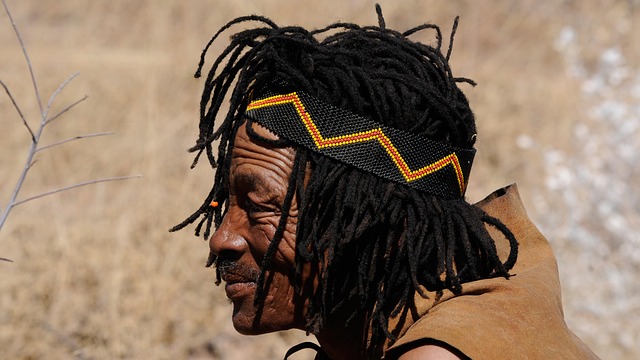
Southeast Asia is one of the most culturally and ethnically diverse regions in the world. Hundreds of languages are spoken across the eleven countries, reflecting a rich tapestry of traditions and customs. The major countries in this region include:
- Indonesia
- Malaysia
- Philippines
- Thailand
- Vietnam
- Singapore
- Brunei
- Laos
- Cambodia
- Myanmar
- Timor-Leste
This diversity is not only linguistic but also extends to religion, cuisine, and art forms, making Southeast Asia a fascinating area for cultural exploration.
Economic Significance
The region is a crucial player in the global economy. It is home to rapidly developing economies, with countries like Indonesia and Vietnam showing significant growth rates. The Association of Southeast Asian Nations (ASEAN) plays a vital role in promoting economic integration and cooperation among member states. Established in 1967, ASEAN aims to enhance political, economic, military, educational, and cultural collaboration.
Tourism in Southeast Asia
Tourism is a major industry in Southeast Asia, attracting millions of visitors each year. The region offers a wide range of attractions, from stunning beaches and historical sites to vibrant cities and natural wonders. Popular tourist destinations include:
- Bali, Indonesia
- Bangkok, Thailand
- Siem Reap, Cambodia
- Hanoi, Vietnam
- Singapore
These destinations provide a glimpse into the rich cultural heritage and natural beauty of the region, making it a favored choice for travelers worldwide.
Challenges and Opportunities
Despite its many strengths, Southeast Asia faces several challenges, including environmental issues, political instability in certain areas, and economic disparities among member states. However, these challenges also present opportunities for growth and collaboration. Initiatives aimed at sustainable development and regional cooperation are increasingly being prioritized to address these issues.
Conclusion
Southeast Asia is a dynamic region with a unique blend of cultures, economies, and landscapes. Its strategic location and diverse population make it a significant area for both regional and global interactions. As the region continues to evolve, it remains an essential part of the broader Asian narrative.
 rohit_sharma11

























 Unleashing Creativity: Artist Resources in Chicago 🎨
 Health
  Fitness
  Lifestyle
  Tech
Tech  Travel
  Food
Food  Education
  Parenting
  Career & Work
  Hobbies
  Wellness
  Beauty
  Cars
Cars  Art
Art  Science
  Culture
  Books
Books  Music
Music  Movies
  Gaming
  Sports
  Nature
  Home & Garden
  Business & Finance
  Relationships
  Pets
Pets  Shopping
  Mindset & Inspiration
  Environment
  Gadgets
  Politics