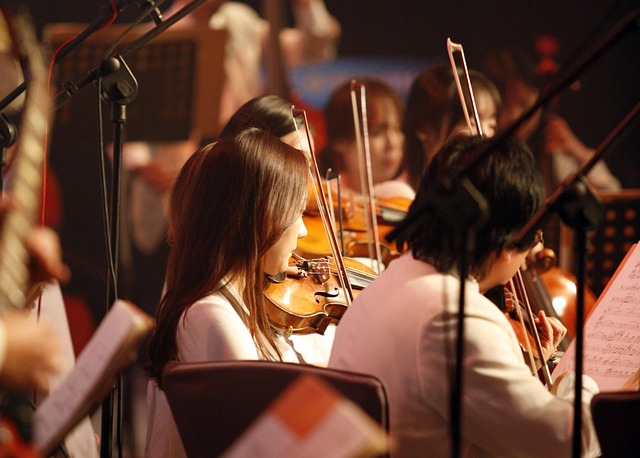
The Fusion of Composition and Conducting
In the world of music, the roles of composer and conductor have often been intertwined, creating a fascinating dynamic that shapes the soundscape of contemporary classical music. Composers like Igor Stravinsky and Pierre Boulez have not only crafted iconic pieces but have also taken the helm of orchestras, guiding performances that bring their visions to life. This duality is not just a career choice; it’s a powerful statement about the creative process and the interpretation of music.
Influential Figures in Contemporary Music
When discussing contemporary composers who also excel as conductors, a few names stand out:
- Igor Stravinsky: Best known for his groundbreaking work, The Rite of Spring, Stravinsky reshaped the landscape of music in the 20th century. His ability to conduct his own compositions allowed him to infuse them with a unique energy and interpretation that resonated with audiences worldwide. 🎶
- Pierre Boulez: A champion of avant-garde music, Boulez not only composed innovative pieces but also conducted major orchestras globally. His commitment to contemporary music pushed boundaries and inspired a new generation of musicians.
- Gustav Mahler: Although primarily known for his symphonies, Mahler was also a conductor who led many prestigious orchestras. His deep understanding of orchestration and emotion in music made his performances unforgettable.
- John Adams: A contemporary American composer, Adams is known for his operas and orchestral works. His dual role as a conductor allows him to shape the performance of his pieces, ensuring they are delivered with the intended impact.
The Art of Conducting
Conducting is an art form in itself, requiring a deep understanding of music, rhythm, and the ability to communicate effectively with musicians. A conductor interprets the score, bringing their unique perspective to the performance. This is especially important for contemporary compositions, which can often be complex and layered. The conductor acts as a bridge between the composer’s intentions and the musicians’ interpretations, creating a cohesive sound that resonates with the audience.
Why This Matters
The significance of composers who are also conductors goes beyond mere convenience. It allows for a deeper connection to the music. When a composer conducts their own work, they can convey nuances that might be lost in translation. This relationship enhances the performance, making it a richer experience for both the musicians and the audience.
Conclusion
In the evolving landscape of contemporary classical music, the dual role of composer and conductor remains vital. Figures like Stravinsky and Boulez have paved the way for future generations, proving that the synergy between composition and conducting can lead to extraordinary musical experiences. As audiences, embracing this fusion can deepen our appreciation for the art form and the talents behind it. So, next time you attend a concert, pay attention to the conductor; they might just be the heartbeat of the performance. 🎤
 v0idb0y

















 The Cowabunga King: Michelangelo Ninja Turtle
 Health
  Fitness
  Lifestyle
  Tech
Tech  Travel
  Food
Food  Education
  Parenting
  Career & Work
  Hobbies
  Wellness
  Beauty
  Cars
Cars  Art
Art  Science
  Culture
  Books
Books  Music
Music  Movies
  Gaming
  Sports
  Nature
  Home & Garden
  Business & Finance
  Relationships
  Pets
Pets  Shopping
  Mindset & Inspiration
  Environment
  Gadgets
  Politics