
Treatments For Sleep Apnea
Understanding Sleep Apnea
Sleep apnea is a common yet often overlooked condition that affects countless individuals around the world. It occurs when a person's breathing is interrupted during sleep, leading to restless nights and a host of other health issues. If you or someone you know struggles with this condition, don't worry! There are several effective treatments available that can help improve sleep quality and overall health. 🌙
1. CPAP Machines: The Gold Standard
One of the most widely recognized treatments for sleep apnea is the Continuous Positive Airway Pressure (CPAP) machine. This device works by delivering a steady stream of air through a mask that keeps the airways open while you sleep. Many users report feeling more rested and alert after just a few nights of use. It might take a little time to adjust, but the benefits are often worth it! 😊
2. Lifestyle Changes: A Holistic Approach
Making some lifestyle changes can significantly impact sleep apnea symptoms. Here are a few suggestions:
- Weight Management: If obesity is a factor, losing weight can greatly reduce the severity of sleep apnea. A balanced diet and regular exercise can make a big difference.
- Avoiding Alcohol and Sedatives: These substances can relax the throat muscles, worsening sleep apnea symptoms. Limiting their intake can help keep your airways clear.
- Sleep Position: Sleeping on your side instead of your back can help prevent the tongue and soft tissues from blocking the airway.
Consulting with a healthcare provider about a personalized plan can be beneficial. Remember, small changes can lead to big improvements! 🌼
3. Oral Devices: A Comfortable Alternative
For those who find CPAP machines uncomfortable, oral devices may be a suitable alternative. These custom-made devices reposition the jaw and tongue to keep the airway open during sleep. They can be particularly effective for mild to moderate sleep apnea and are often easier to adjust to than a CPAP machine.
4. Orofacial Therapy: Strengthening the Muscles
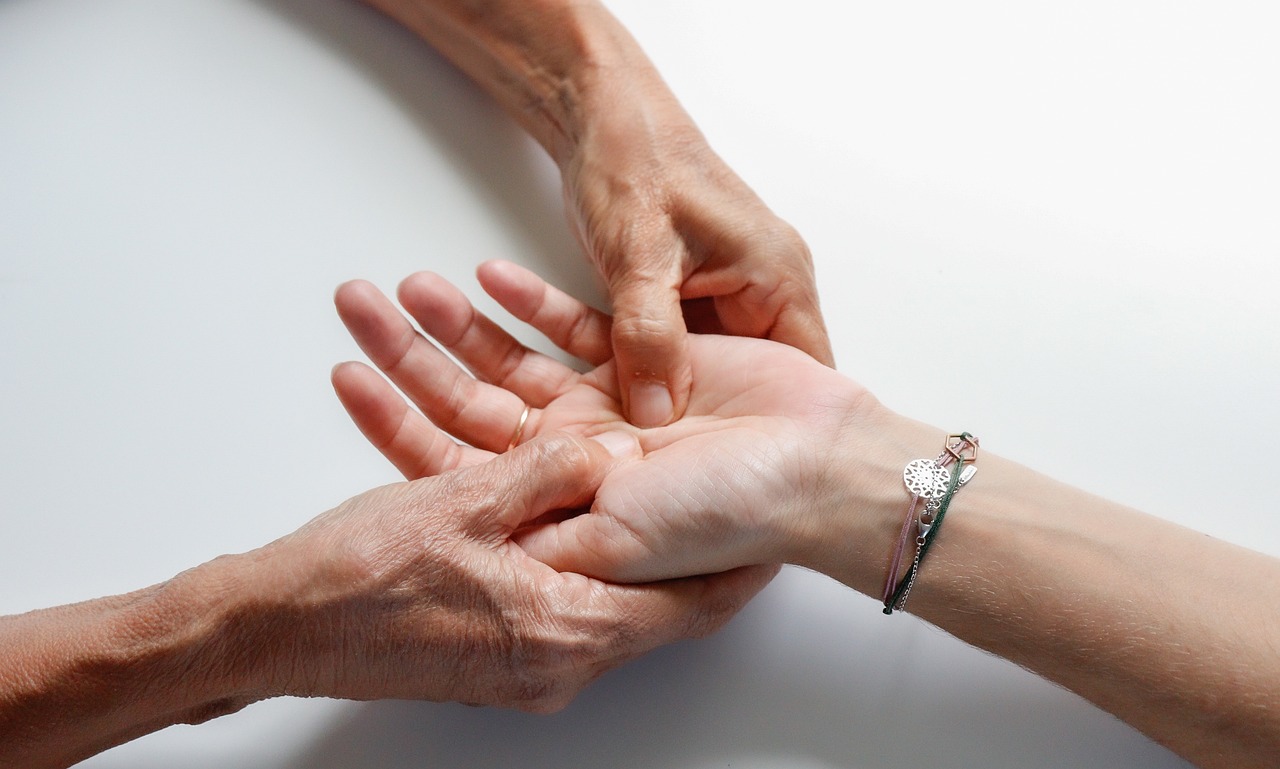
Orofacial therapy, which involves exercises for the mouth and facial muscles, has emerged as a promising treatment for sleep apnea. This therapy can help strengthen the muscles that support the airway, potentially reducing the severity of the condition. It's a gentle and non-invasive option that can be done at home with guidance from a professional.
5. Medications: New Options on the Horizon
Recently, the FDA approved a weight loss medication specifically for individuals with moderate to severe sleep apnea and obesity. This injectable medication, when combined with a healthy diet and exercise, can aid in weight loss and improve sleep apnea symptoms. Always consult with a healthcare provider to see if this option is right for you.
6. Continuous Monitoring and Support
Regular follow-ups with a healthcare provider are essential for managing sleep apnea effectively. They can help monitor progress and make necessary adjustments to treatment plans. It's important to stay informed and proactive about your health!
Conclusion
Sleep apnea can be a challenging condition, but with the right treatments and lifestyle changes, it is manageable. Whether you choose a CPAP machine, oral devices, or explore lifestyle modifications, the key is to find what works best for you. Prioritize your health and well-being, and don't hesitate to seek support from professionals. Sweet dreams await! ✨
 rhea_x























 The Fusion of Composition and Conducting
 Health
  Fitness
  Lifestyle
  Tech
Tech  Travel
  Food
Food  Education
  Parenting
  Career & Work
  Hobbies
  Wellness
  Beauty
  Cars
Cars  Art
Art  Science
  Culture
  Books
Books  Music
Music  Movies
  Gaming
  Sports
  Nature
  Home & Garden
  Business & Finance
  Relationships
  Pets
Pets  Shopping
  Mindset & Inspiration
  Environment
  Gadgets
  Politics