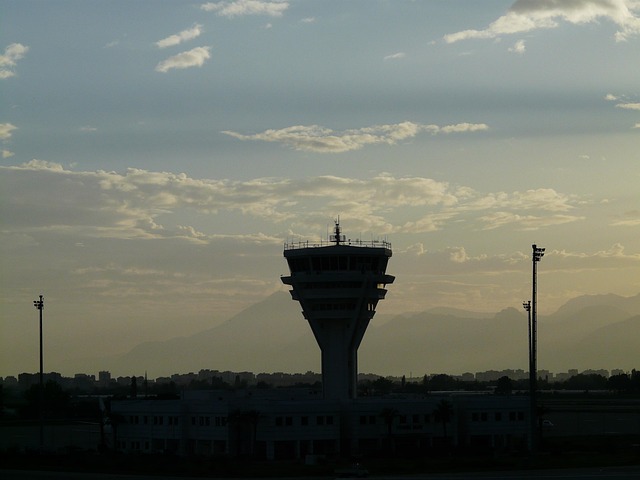
Aviation System Modernization Funding
Aviation System Modernization Funding
The aviation industry is soaring to new heights, and not just because of the latest in jet engine technology. With the skies getting busier and our air traffic control systems aging like a fine cheese (which, let’s be honest, is not a good thing), the U.S. government has decided it’s high time to modernize our airspace infrastructure. Enter the Airspace Modernization Office—not to be confused with the office where you go to complain about the printer always jamming.
In May 2025, the U.S. Department of Transportation (DOT) unveiled a modernization plan that aims to upgrade and replace the aging air traffic control systems. This plan isn’t just about shiny new gadgets; it’s about ensuring that when you’re in the air, you can trust that the person guiding the plane isn’t still using a flip phone. With a hefty $12.52 billion allocated for improvements, it’s clear the government is serious about aviation safety. And let’s be real, we all want to feel like our pilots are well-equipped to handle the skies, not just winging it.
What’s Next for NextGen?
NextGen is the star of the show, a multiyear program that’s been strutting its stuff since 2003. This initiative is all about modernizing the national airspace system, primarily by migrating to satellite-based navigation and aircraft tracking. Imagine GPS for planes, but without the annoying voice telling you to “recalculate” every time you hit turbulence. The funding for NextGen programs totals nearly $1 billion annually, mostly coming from the government’s pockets (and maybe a little from your tax dollars, too).
Why Is This Important?
Modernizing our air traffic control systems is crucial for several reasons:
- Efficiency: With more planes in the sky, we need a system that can handle the load without causing delays that make your layover feel like a mini-vacation.
- Safety: Upgraded technology means better tracking and communication, which is a win-win for everyone involved. After all, no one wants to play “Where’s Waldo?” with aircraft.
- Environmental Impact: Newer systems can help reduce fuel consumption and emissions, making flying a little greener. Who knew flying could be eco-friendly?
- Cost-Effectiveness: Investing in modern systems now could save money in the long run by reducing inefficiencies and potential accidents. Think of it like upgrading your old flip phone to a smartphone—you’ll save on those awkward “Can you hear me now?” moments.
What’s Next?
As the aviation industry continues to evolve, the focus on modernization will remain a top priority. The establishment of the Airspace Modernization Office is just the beginning of a new era in air travel. With the right funding and commitment, the skies will be safer, more efficient, and perhaps a little less stressful for travelers everywhere. Who knows? Maybe in a few years, we’ll all be flying around in planes that come with built-in Wi-Fi and complimentary snacks that don’t taste like cardboard. Now that’s a future worth investing in! ✈️
 amber_skies




















 The Fusion of Composition and Conducting
 Health
  Fitness
  Lifestyle
  Tech
Tech  Travel
  Food
Food  Education
  Parenting
  Career & Work
  Hobbies
  Wellness
  Beauty
  Cars
Cars  Art
Art  Science
  Culture
  Books
Books  Music
Music  Movies
  Gaming
  Sports
  Nature
  Home & Garden
  Business & Finance
  Relationships
  Pets
Pets  Shopping
  Mindset & Inspiration
  Environment
  Gadgets
  Politics