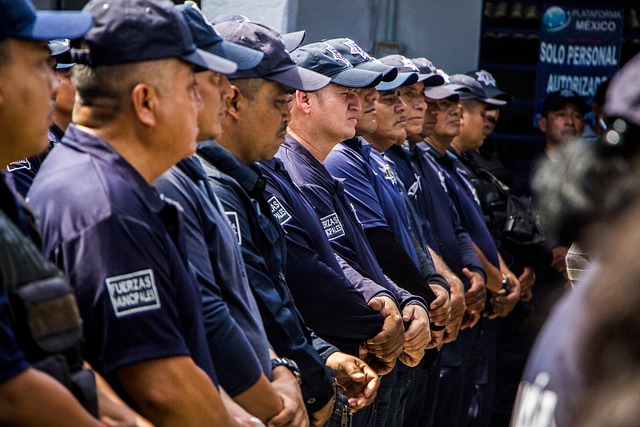
The Role of Chief Minister
The position of Chief Minister is a significant role within various governmental structures, particularly in parliamentary systems. This article aims to elucidate the responsibilities, historical context, and variations of the Chief Minister's role across different regions and political frameworks.
Historical Context
The term "Chief Minister" has its roots in the Arabic word "wazir," which translates to "minister" or "advisor." Historically, the role of a vizier was prominent in the Abbasid Caliphate, where it served as the chief ministerial position. Over time, this concept was adopted by various empires, including the Ottoman Empire, where the vizier held substantial power and influence.
In contemporary governance, the title of Chief Minister is most commonly associated with the heads of government in sub-national jurisdictions, such as states or provinces. The role is particularly prevalent in countries like India, where each state has its own Chief Minister, responsible for the administration and governance of that state.
Responsibilities and Powers
The Chief Minister typically serves as the leader of the executive branch of government at the state or provincial level. Their responsibilities often include:
- Policy Formulation: Chief Ministers play a crucial role in shaping and implementing government policies that affect their constituents.
- Cabinet Leadership: They lead the cabinet, which consists of other ministers responsible for various departments, ensuring cohesive governance.
- Legislative Role: Chief Ministers often represent their party in the legislative assembly, advocating for laws and policies that align with their political agenda.
- Public Administration: They oversee the functioning of the state administration, ensuring that public services are delivered effectively.
In many instances, the Chief Minister is regarded as the "first among equals" within the cabinet, emphasizing a collaborative approach to governance.
Variations Across Different Political Systems
The role of Chief Minister can vary significantly depending on the political system in place. For instance, in a parliamentary system, the Chief Minister is typically elected by the legislative assembly and is accountable to it. This contrasts with presidential systems, where the head of state may have a more centralized power structure.
In 2018, Sierra Leone introduced the position of an appointed Chief Minister, which mirrors the role of a prime minister in a semi-presidential system. This development highlights the adaptability of the Chief Minister's role to fit different governance models.
Conclusion
The Chief Minister serves as a pivotal figure in the governance of sub-national entities, embodying the principles of leadership, accountability, and public service. Understanding the historical evolution and contemporary responsibilities of this role provides valuable insight into the functioning of political systems worldwide. As governance continues to evolve, the role of Chief Minister will likely adapt to meet the changing needs of society.
 chloe_r.
























 Volcanoes Erupting: The Fiery Drama of Nature
 Health
  Fitness
  Lifestyle
  Tech
Tech  Travel
  Food
Food  Education
  Parenting
  Career & Work
  Hobbies
  Wellness
  Beauty
  Cars
Cars  Art
Art  Science
  Culture
  Books
Books  Music
Music  Movies
  Gaming
  Sports
  Nature
  Home & Garden
  Business & Finance
  Relationships
  Pets
Pets  Shopping
  Mindset & Inspiration
  Environment
  Gadgets
  Politics