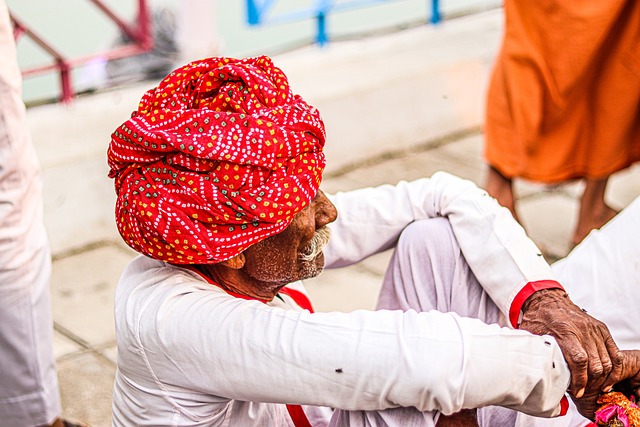
Classical Dancer
Introduction to Classical Dance
Classical dance is a significant aspect of cultural expression in many societies, particularly in India, where it encompasses a variety of styles that are both vibrant and deeply rooted in tradition. These dance forms are not merely performances; they are a blend of storytelling, spirituality, and artistic expression. Each style has its unique characteristics, techniques, and cultural significance.
Styles of Indian Classical Dance
India boasts several classical dance forms, each with its own history and distinct style. Some of the most prominent include:
- Bharatanatyam: Originating from Tamil Nadu, this dance form is known for its intricate footwork, expressive hand gestures, and facial expressions.
- Kathak: Hailing from North India, Kathak is characterized by its swift footwork and spins, often telling stories through dance.
- Odissi: This dance form from Odisha is recognized for its graceful movements and poses, often depicting religious themes.
- Kuchipudi: Originating from Andhra Pradesh, Kuchipudi combines dance and drama, often featuring dialogues and storytelling.
- Manipuri: Known for its fluid movements, this dance from Manipur often portrays themes of love and devotion.
Costumes and Accessories
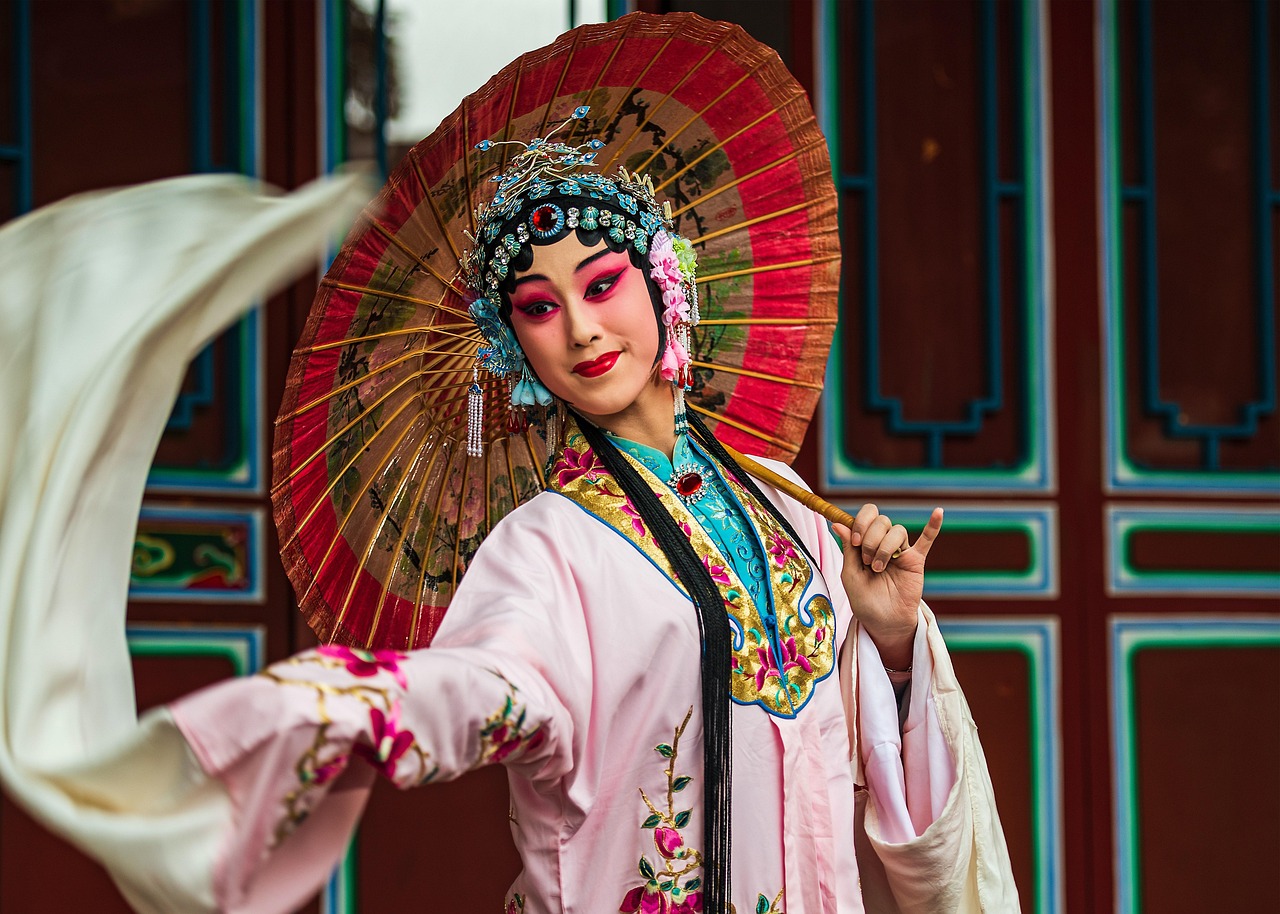
The costumes worn by classical dancers are integral to the performance, enhancing the visual appeal and cultural authenticity. Typically, women wear traditional attire such as sarees, lehengas, or specially designed costumes that reflect the style of dance they are performing. These outfits are often colorful and intricately embroidered, showcasing the craftsmanship of local artisans.
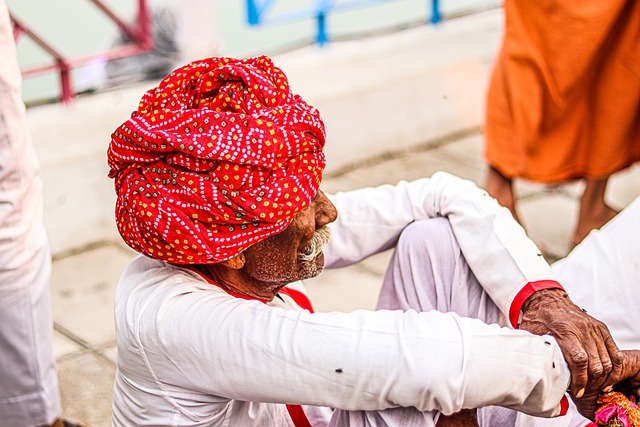
Men also participate in classical dance, wearing kurtas or dhotis that complement the performance. The choice of fabric and design varies, but the emphasis is always on elegance and tradition.
Accessories play a crucial role in classical dance. Dancers adorn themselves with ornate jewelry, including necklaces, earrings, and bracelets. Some styles incorporate bells attached to anklets, which produce rhythmic sounds that enhance the performance. Headpieces are also common, adding to the overall aesthetic.
Training and Performance
Becoming a classical dancer requires years of dedication and rigorous training. Most dancers begin their journey at a young age, often under the guidance of a guru or teacher. Training involves mastering intricate movements, understanding the nuances of rhythm, and learning the cultural stories behind each dance form.
Performances typically take place at cultural events, festivals, and educational institutions, allowing dancers to showcase their skills and connect with audiences. These events are not only a platform for entertainment but also serve to preserve and promote the rich heritage of Indian classical dance.
Conclusion
Classical dance is a profound expression of culture and artistry. It serves as a bridge between generations, preserving traditions while also adapting to contemporary contexts. Whether through the intricate footwork of Bharatanatyam or the storytelling of Kathak, classical dance remains a vital part of India’s cultural landscape.
 kitty_kat























 ઘોડા દાદા
 Health
  Fitness
  Lifestyle
  Tech
Tech  Travel
  Food
Food  Education
  Parenting
  Career & Work
  Hobbies
  Wellness
  Beauty
  Cars
Cars  Art
Art  Science
  Culture
  Books
Books  Music
Music  Movies
  Gaming
  Sports
  Nature
  Home & Garden
  Business & Finance
  Relationships
  Pets
Pets  Shopping
  Mindset & Inspiration
  Environment
  Gadgets
  Politics