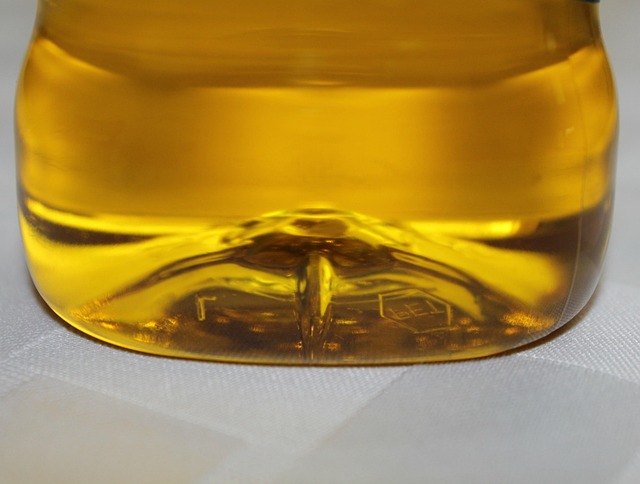
Cooking Oils That Are Good For You
Understanding Cooking Oils
Cooking oils play a crucial role in our kitchens, not only for their flavor-enhancing properties but also for their impact on health. With a variety of options available, it can be challenging to navigate which oils are beneficial for heart health and overall well-being. This guide aims to clarify the types of cooking oils that are considered healthy and how to incorporate them into your diet.
The Importance of Healthy Fats
Fats are an essential part of our diet, but not all fats are created equal. It is important to replace saturated and trans fats with healthier options. Monounsaturated and polyunsaturated fats are the good fats that can support heart health. These fats can help lower bad cholesterol levels and reduce the risk of heart disease.
Types of Healthy Cooking Oils
Here are some of the best cooking oils to consider for a healthier lifestyle:
- Olive Oil: Rich in monounsaturated fats, olive oil is a staple in Mediterranean diets. It is great for salad dressings and low-heat cooking.
- Canola Oil: This oil has a high smoke point and is versatile for various cooking methods. It contains omega-3 fatty acids, which are beneficial for heart health.
- Avocado Oil: Known for its high smoke point and mild flavor, avocado oil is excellent for frying and roasting. It is also rich in monounsaturated fats.
- Sunflower Oil: A good source of vitamin E, sunflower oil is light and can be used for frying and baking.
- Grapeseed Oil: This oil has a high smoke point and a neutral flavor, making it ideal for sautéing and baking.
Choosing the Right Oil for Cooking
When selecting an oil, consider its smoke point, which is the temperature at which the oil begins to smoke and break down. Oils with higher smoke points, such as avocado and canola oil, are better suited for high-heat cooking methods like frying. On the other hand, oils like olive oil are better for dressings or low-heat cooking to preserve their flavor and health benefits.
Storage Tips for Cooking Oils
Proper storage of cooking oils is essential to maintain their quality. Here are some tips:
- Store oils in a cool, dark place to prevent oxidation.
- Use dark glass bottles or opaque containers to protect oils from light.
- Seal containers tightly to keep out air and moisture.
Conclusion
Incorporating healthy cooking oils into your diet can be a simple yet effective way to improve heart health and overall well-being. By choosing oils rich in monounsaturated and polyunsaturated fats, you can enjoy flavorful meals while making healthier choices. Experiment with different oils to find the ones that suit your taste and cooking style.
 vivian


























 The Nova Classification of Ultra-Processed Foods
 Health
  Fitness
  Lifestyle
  Tech
Tech  Travel
  Food
Food  Education
  Parenting
  Career & Work
  Hobbies
  Wellness
  Beauty
  Cars
Cars  Art
Art  Science
  Culture
  Books
Books  Music
Music  Movies
  Gaming
  Sports
  Nature
  Home & Garden
  Business & Finance
  Relationships
  Pets
Pets  Shopping
  Mindset & Inspiration
  Environment
  Gadgets
  Politics