Esophageal Motility: A Gentle Journey Down the Food Pipe
Ah, the esophagus! That unsung hero of our digestive system, working tirelessly to transport our beloved food and beverages down to the stomach. But what happens when this trusty tube starts to lose its groove? Enter esophageal motility disorders, where the esophagus decides it’s more interested in staging a dramatic pause than in delivering your dinner. 🍽️
What Is Esophageal Dysmotility?
Esophageal dysmotility refers to a collection of disorders that cause the esophagus to misbehave. Instead of smoothly ushering food and liquid into the stomach, it leaves them hanging out, causing all sorts of discomfort. Imagine inviting your favorite dish to a party, only for it to get stuck in the doorway—awkward, right?
Symptoms You Shouldn't Ignore
So, how do you know if your esophagus is throwing a tantrum? Here are some common symptoms:
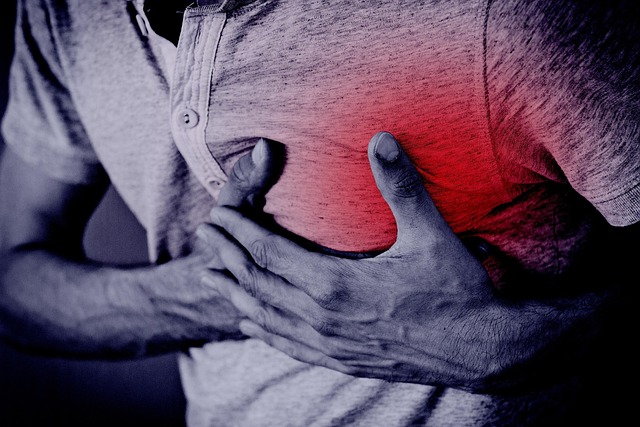
- Chest Pain: Not to be confused with a romantic heartbreak, this can feel quite real and is often alarming.
- Heartburn: That fiery sensation making you feel like a dragon after your last meal.
- Difficulty Swallowing: When your food decides to play hide and seek instead of making its way to your stomach.
- Regurgitation: Because nothing says “fun night” like a surprise encore of your last meal.
If these symptoms sound familiar, it might be time to consult a healthcare provider. They can help determine if your esophagus is simply having a rough day or if there’s something more serious at play.
Types of Esophageal Motility Disorders
Esophageal motility disorders can be classified into two main categories:
- Primary Disorders: These are the ones that only affect the esophagus. Think of them as the introverts of the digestive system, preferring to keep things to themselves.
- Secondary Disorders: These affect the whole body, including the esophagus, like a social butterfly that just can’t help but spread its influence everywhere!
Some common examples include achalasia, where the esophagus struggles to push food into the stomach, and diffuse esophageal spasm, which sounds fancy but is really just a party of chaotic contractions.
What Causes Esophageal Dysmotility?
While the exact causes can vary, they often stem from issues with the nerves or muscles of the esophagus. Think of it like a miscommunication between friends—sometimes, the message just doesn’t get across. Other factors can include conditions like autoimmune diseases, neurological disorders, or even just plain old aging. Yes, even our esophagus can start to feel a bit creaky with age!
When to Seek Help
If you find yourself experiencing the symptoms mentioned earlier, don’t hesitate to reach out to a healthcare provider. They can perform tests to assess your esophageal function and help you get back on track. After all, no one wants to be stuck in the food pipe limbo forever!
Conclusion
In conclusion, esophageal motility disorders may not be the most glamorous topic, but they’re certainly important to understand. So the next time you feel a little discomfort while eating, remember: your esophagus might just need a pep talk. Here’s to smooth sailing down the food pipe! 🥳


























 Preterm Infants
 Health
  Fitness
  Lifestyle
  Tech
Tech  Travel
  Food
Food  Education
  Parenting
  Career & Work
  Hobbies
  Wellness
  Beauty
  Cars
Cars  Art
Art  Science
  Culture
  Books
Books  Music
Music  Movies
  Gaming
  Sports
  Nature
  Home & Garden
  Business & Finance
  Relationships
  Pets
Pets  Shopping
  Mindset & Inspiration
  Environment
  Gadgets
  Politics