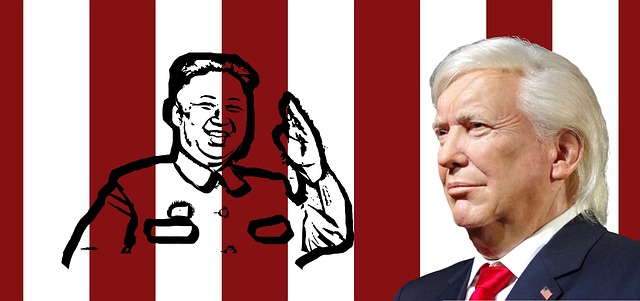
Military Response to Trump Parade
Introduction
The planned military parade in Washington, D.C., organized to celebrate the 250th birthday of the U.S. Army, has drawn significant attention and controversy. Scheduled to coincide with President Donald Trump’s 79th birthday, the event is not only a display of military might but also a focal point for various protests and dissenting voices, including some from within the veteran community.
The Context of the Parade
The parade is intended to honor the long-standing history and contributions of the U.S. Army. However, it arrives at a time marked by heightened political tensions and public dissent. The protests against the parade are largely fueled by concerns over authoritarianism and a desire to showcase democratic values. Activist groups, such as those associated with the “No Kings” movement, have articulated their opposition by emphasizing the importance of democracy and rejecting any notion of kingship in American governance.
Protests and Public Sentiment
As the parade approaches, organized protests are expected to take place, reflecting a broader discontent with the current administration. Many of these protests have been in response to recent events, including those in Los Angeles, which have sparked similar movements across the country. The protests aim to highlight the importance of democratic principles and challenge perceived authoritarian practices.
Veteran Perspectives
Interestingly, dissent regarding the parade is emerging from one of Trump’s traditional support bases: veterans. Historically, this demographic has shown strong support for Trump and the Republican Party. However, a growing number of veterans are expressing their concerns about the implications of a military parade, viewing it as a potential glorification of militarism rather than a genuine celebration of service. This shift in sentiment among veterans could indicate a broader reevaluation of military and political alignment within this community.
Military and Security Considerations
The military’s involvement in the parade raises questions about the role of the armed forces in domestic political events. The display of military power in a civilian context can blur the lines between military and civilian governance, leading to concerns about the politicization of the military. Critics argue that such displays may undermine the military's apolitical stance, which is a cornerstone of democratic governance.
Conclusion
The upcoming military parade in Washington, D.C., serves as a microcosm of the current political climate in the United States. While it aims to honor the U.S. Army and celebrate national pride, it simultaneously ignites protests and dissent, particularly among veterans who question the appropriateness of such a display. As the event unfolds, it will be crucial to observe how these dynamics play out and what they reveal about the state of American democracy and military-civilian relations.
 xan
xan 


















 Glaciers and Their Melting
 Health
  Fitness
  Lifestyle
  Tech
Tech  Travel
  Food
Food  Education
  Parenting
  Career & Work
  Hobbies
  Wellness
  Beauty
  Cars
Cars  Art
Art  Science
  Culture
  Books
Books  Music
Music  Movies
  Gaming
  Sports
  Nature
  Home & Garden
  Business & Finance
  Relationships
  Pets
Pets  Shopping
  Mindset & Inspiration
  Environment
  Gadgets
  Politics