Hoofed Animals: Nature's Sturdy Marvels
Hoofed animals, or ungulates as they're scientifically known, are a fascinating group of mammals that have adapted to a variety of environments. These creatures are characterized by their unique hoof structures, which are the tips of their toes, covered by a tough, keratinous material. This article dives into the world of ungulates, exploring their types, characteristics, and some interesting facts. 🦙
What Are Hoofed Animals?
Ungulates are classified into two primary orders: Perissodactyla and Artiodactyla. The former includes odd-toed ungulates like horses, rhinoceroses, and tapirs, while the latter consists of even-toed ungulates such as cattle, deer, and camels. Both groups have evolved distinct adaptations that allow them to thrive in their respective habitats.
Characteristics of Hoofed Animals
One of the most notable features of ungulates is their hooves. These hooves are designed to support their body weight effectively while standing or moving. The hoof consists of a hard wall and a rubbery sole, which provides traction and stability. This design is crucial for their survival, especially for those living in rugged terrains.
Types of Hoofed Animals
- Perissodactyla: This order includes animals with an odd number of toes. Horses, for instance, have a single hoof on each foot, which allows for speed and agility. Rhinoceroses, on the other hand, have three toes on each foot, providing them with a sturdy base for their massive bodies.
- Artiodactyla: This group features animals with an even number of toes. Cattle and sheep have two main weight-bearing toes, which help them navigate various terrains. Interestingly, even cetaceans like whales and dolphins fall under this category, despite lacking hooves!
Interesting Facts About Hoofed Animals
Here are some cool tidbits about these remarkable creatures:
- Adaptability: Ungulates are found on every continent except Antarctica. From the deserts of Africa to the snowy plains of North America, these animals have adapted to a wide range of environments.
- Social Creatures: Many hoofed animals are social and live in herds. This behavior not only helps in protection against predators but also aids in finding food.
- Diverse Diets: Depending on their habitat, ungulates can be herbivores, grazing on grasses, or browsers, feeding on leaves and shrubs. Their digestive systems are specially adapted to break down tough plant materials.
Conclusion
Hoofed animals are a testament to nature's ingenuity. Their unique adaptations and diverse lifestyles make them a vital part of our ecosystem. Whether you're observing a majestic horse galloping across a field or a herd of deer gracefully navigating through a forest, there's no denying the beauty and strength of these ungulates. Next time you see one, take a moment to appreciate the incredible design of their hooves and the role they play in their survival. 🌍

















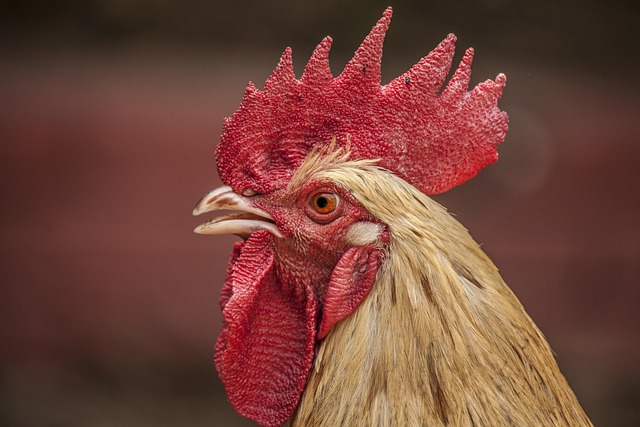







 Conservation Efforts Have Been Effective in Various Ways
 Health
  Fitness
  Lifestyle
  Tech
Tech  Travel
  Food
Food  Education
  Parenting
  Career & Work
  Hobbies
  Wellness
  Beauty
  Cars
Cars  Art
Art  Science
  Culture
  Books
Books  Music
Music  Movies
  Gaming
  Sports
  Nature
  Home & Garden
  Business & Finance
  Relationships
  Pets
Pets  Shopping
  Mindset & Inspiration
  Environment
  Gadgets
  Politics