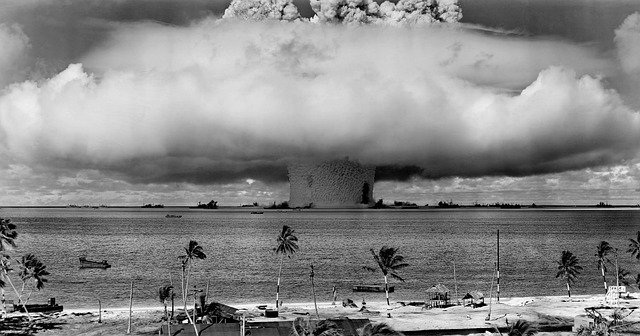
Japanese Perspective on Atomic Bomb
Introduction
The atomic bombings of Hiroshima and Nagasaki in August 1945 marked a pivotal moment in world history, forever altering the course of warfare and international relations. From a Japanese perspective, the events surrounding these bombings are steeped in profound emotional and historical significance. This article seeks to explore the multifaceted Japanese response to the atomic bomb, examining the sentiments of surrender, the impact on society, and the ongoing discourse surrounding nuclear weapons.
The Context of Surrender
In the days leading up to the bombings, Japan was grappling with the harsh realities of war. The Soviet Union's declaration of war on Japan on August 8, 1945, and the subsequent overrunning of the Kwantung Army in Manchuria left the Japanese military in a state of disarray. Shigenori Togo, the Japanese Foreign Minister, described August 9 as "a bad day," reflecting the despair that permeated the government. The once-mighty Imperial Army, as noted by Sumihisa Ikeda, had become "no more than a hollow shell," unable to mount a credible defense against the overwhelming forces arrayed against it.
The Impact of the Atomic Bomb
The bombing of Nagasaki on August 9, 1945, was a catastrophic event that resulted in immense loss of life and suffering. The immediate aftermath saw widespread devastation, with tens of thousands of lives lost and countless others affected by radiation exposure. The psychological impact on survivors, known as hibakusha, was profound, leading to long-term health issues and societal stigma. The bombings not only decimated cities but also shattered the collective psyche of the nation.
Debate on Surrender and Military Sentiment
Despite the overwhelming evidence of impending defeat, there remained a significant faction within the Japanese military that resisted the notion of surrender. Vice Admiral Takijiro Onishi, the founder of the kamikaze units, famously argued that Japan could never be defeated if it was willing to sacrifice millions of lives in a "special attack" effort. This sentiment reflected a deep-seated belief in honor and sacrifice, which complicated the decision-making process regarding surrender. Ultimately, the antisurrender sentiment among military leaders delayed Japan's acceptance of the Potsdam Declaration, which outlined the terms for surrender.
The Decision to Surrender
As news of the Nagasaki bombing reached Tokyo, the gravity of the situation became undeniable. Togo's proposal to accept the Potsdam Declaration was a crucial turning point, marking the beginning of the end of the war for Japan. The internal struggle between military hardliners and those advocating for peace was emblematic of a nation at a crossroads. The decision to surrender was not merely a military calculation; it was a profound moral and ethical dilemma that would shape Japan's post-war identity.
Long-term Consequences and Reflection
The legacy of the atomic bombings continues to resonate within Japanese society. The hibakusha have become symbols of resilience and survival, advocating for peace and nuclear disarmament. The annual memorial services held in Hiroshima and Nagasaki serve as poignant reminders of the horrors of war and the importance of preventing future conflicts. The Japanese perspective on the atomic bomb is not solely one of victimhood; it is also a call to action for global peace and understanding.
Conclusion
The atomic bombings of Hiroshima and Nagasaki remain a deeply emotional and complex chapter in Japanese history. The interplay of military strategy, societal values, and the human cost of war underscores the multifaceted nature of this historical event. As Japan continues to navigate its post-war identity, the lessons learned from the atomic bombings serve as a powerful reminder of the need for compassion, dialogue, and a commitment to peace in an increasingly volatile world.
 allyx
allyx 


























 Why Choose All-Inclusive Caribbean Vacations?
 Health
  Fitness
  Lifestyle
  Tech
Tech  Travel
  Food
Food  Education
  Parenting
  Career & Work
  Hobbies
  Wellness
  Beauty
  Cars
Cars  Art
Art  Science
  Culture
  Books
Books  Music
Music  Movies
  Gaming
  Sports
  Nature
  Home & Garden
  Business & Finance
  Relationships
  Pets
Pets  Shopping
  Mindset & Inspiration
  Environment
  Gadgets
  Politics