Remote Start Installation
Understanding Remote Start Installation
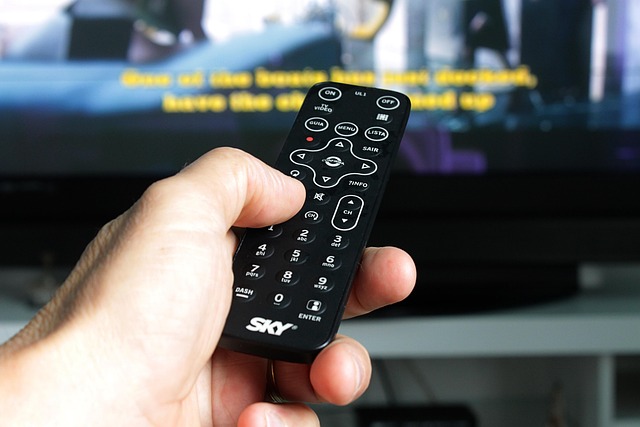
Remote start systems have gained popularity among vehicle owners for their convenience and comfort. This technology allows you to start your car from a distance, ensuring that your vehicle is at a comfortable temperature before you even step inside. Whether you live in a region with harsh winters or scorching summers, a remote start system can enhance your driving experience significantly.
Benefits of Remote Start Systems
Investing in a remote start system offers several advantages:
- Temperature Control: In cold climates, starting your vehicle remotely allows the engine to warm up, which can help defrost windows and ensure a comfortable cabin temperature. Conversely, in hot weather, it can cool down the interior before you enter.
- Convenience: With a remote start, you can start your car from the comfort of your home or office, eliminating the discomfort of entering a cold or hot vehicle.
- Security: Many remote start systems come with added security features, such as disabling the starter motor when the alarm is active, making it more difficult for thieves to hot-wire your car.
- Professional Installation: Certified technicians typically handle the installation, ensuring that the system is integrated safely and effectively into your vehicle.
Installation Process
The installation of a remote start system is a detailed process that should be performed by professionals. Here’s a general overview of what to expect:
- Consultation: Before installation, it’s essential to consult with a technician to determine compatibility with your vehicle’s make, model, and year. Not all systems fit all vehicles.
- Preparation: The technician will prepare your vehicle for installation by disconnecting the battery and ensuring that all necessary tools and components are ready.
- Wiring: The technician will connect the remote start system to your vehicle’s ignition and other necessary wiring. This step is crucial for ensuring that the system functions correctly.
- Testing: After installation, the technician will test the system to ensure it operates as intended. This includes checking the remote start function and any additional features.
- Finalization: Once testing is complete, the technician will provide you with instructions on how to use the remote start system and answer any questions you may have.
Considerations Before Installation
Before deciding to install a remote start system, consider the following:
- Climate: Evaluate your local climate. If you experience extreme temperatures, a remote start system can be particularly beneficial.
- Vehicle Compatibility: Ensure that the system you choose is compatible with your vehicle. Some older models may have limitations.
- Professional Installation: Always opt for certified technicians for installation. This ensures safety and functionality, reducing the risk of damage to your vehicle.
- Cost: Consider the cost of the system and installation. While it can be an investment, the convenience it offers may justify the expense.
Conclusion
Remote start systems are a practical addition to many vehicles, providing comfort and convenience year-round. By understanding the installation process and the benefits these systems offer, vehicle owners can make informed decisions that enhance their driving experience. If you are considering a remote start system, consult with a professional to explore your options and ensure a seamless installation.
 sophie_rose

















 The Sounds: Lifter Noise vs. Rod Knock
 Health
  Fitness
  Lifestyle
  Tech
Tech  Travel
  Food
Food  Education
  Parenting
  Career & Work
  Hobbies
  Wellness
  Beauty
  Cars
Cars  Art
Art  Science
  Culture
  Books
Books  Music
Music  Movies
  Gaming
  Sports
  Nature
  Home & Garden
  Business & Finance
  Relationships
  Pets
Pets  Shopping
  Mindset & Inspiration
  Environment
  Gadgets
  Politics