Exploring Gender Diversity in Ancient Cultures
Throughout history, many ancient cultures have recognized and embraced more than just the binary understanding of gender. These societies have celebrated a spectrum of identities, often integrating them deeply into their cultural practices and beliefs. Let’s dive into a few remarkable examples of ancient cultures that acknowledged multiple genders.
The Hijra Community in South Asia
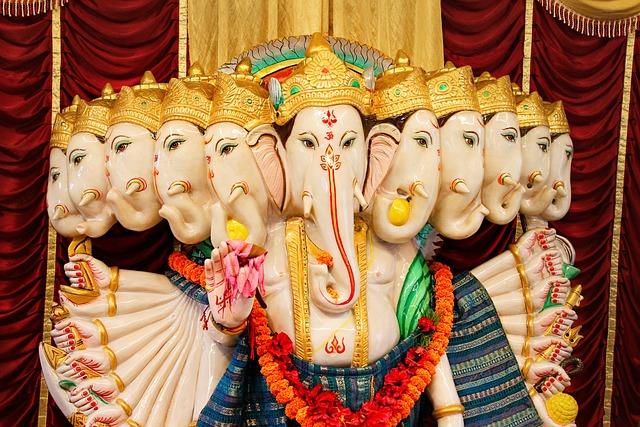
In Hindu society, the hijra community represents one of the most well-known nonbinary identities. Historically, hijras have been part of South Asian culture for centuries, often appearing in religious texts and ceremonies. Typically, hijras are individuals who may be born with male sexual characteristics but identify outside the traditional male-female binary. This community also includes intersex individuals, highlighting the diversity within their identity. 🌈
Muxe Identity in Zapotec Culture
In southern Mexico, the Indigenous Zapotec people recognize muxes, a gender identity that transcends the conventional male-female classification. Muxes express their gender in various ways, and while they are embraced within their culture, they still face certain societal restrictions. For instance, muxes often cannot live with their partners or leave their family homes, reflecting a complex interplay between cultural acceptance and societal norms. The vibrant celebration of La Vela de las Auténticas Intrépidas Buscadoras del Peligro, or the Festival of the Authentic and Intrepid Danger-Seekers, showcases the rich cultural heritage of muxes. 🎉
Two-Spirit People in Indigenous Cultures
Many Indigenous cultures in North America have long recognized Two-Spirit individuals, a term that encompasses a variety of gender identities. This concept varies widely among different tribes, but it often includes those who embody both masculine and feminine qualities. Two-Spirit people historically held important roles within their communities, serving as healers, mediators, and spiritual leaders. Their presence was not only accepted but often revered, illustrating a profound understanding of gender fluidity.
Fa'afafine in Samoan Culture
The Samoan culture recognizes fa'afafine, individuals who are assigned male at birth but embody both male and female traits. This identity is deeply rooted in Samoan tradition and is often celebrated as part of the cultural fabric. Fa'afafine are typically accepted and valued within their families and communities, often taking on unique roles that contribute to the social and economic life of their society.
Conclusion
These examples highlight that the concept of gender is far more complex than a simple binary. Ancient cultures around the world have embraced a variety of gender identities, reflecting a rich tapestry of human experience. Understanding these diverse perspectives can help foster greater appreciation for gender diversity in our contemporary world. 🌍













 What is Balinese Gamelan?
 Health
  Fitness
  Lifestyle
  Tech
Tech  Travel
  Food
Food  Education
  Parenting
  Career & Work
  Hobbies
  Wellness
  Beauty
  Cars
Cars  Art
Art  Science
  Culture
  Books
Books  Music
Music  Movies
  Gaming
  Sports
  Nature
  Home & Garden
  Business & Finance
  Relationships
  Pets
Pets  Shopping
  Mindset & Inspiration
  Environment
  Gadgets
  Politics