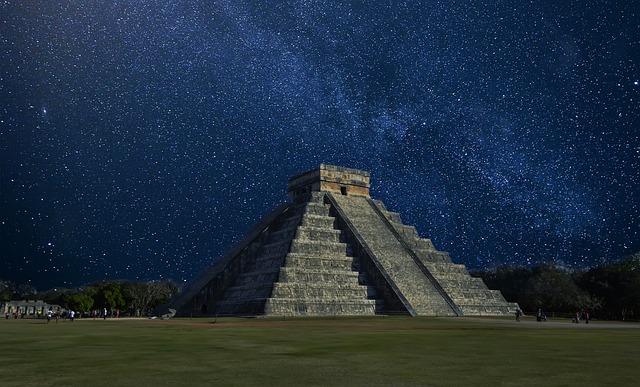
Geoglyphs in Peru
The geoglyphs of Peru, particularly the Nazca Lines, are a remarkable feature of the Nazca Desert in southern Peru. These ancient designs, etched into the earth, have intrigued researchers, historians, and tourists alike. The geoglyphs consist of over 700 distinct figures, ranging from simple lines to complex shapes, including animals and geometric patterns.
History and Discovery
The origins of the Nazca Lines date back to between 500 BC and 500 AD. The people of the Nazca culture created these geoglyphs by making shallow incisions in the desert floor, which exposed the lighter soil beneath the surface. The first documented mention of these lines was by Pedro Cieza de León in 1553, who described them as trail markers. Subsequent reports, such as those by Luis Monzón in 1569, noted the presence of ancient ruins and roads in the area.
Recent Discoveries
In 2024, a significant advancement in the understanding of the Nazca Lines occurred when a team of archaeologists from Yamagata University’s Nazca Institute, in collaboration with IBM Research, utilized artificial intelligence to identify 303 previously unknown geoglyphs. These new figures included representations of parrots, cats, monkeys, killer whales, and even severed heads. This discovery highlights the ongoing potential for new findings in the Nazca Desert, suggesting that the area may still hold many secrets.
Significance of the Geoglyphs
The Nazca Lines are not merely artistic expressions; they are believed to have had cultural and possibly religious significance for the Nazca people. Some theories suggest that the lines served as astronomical markers or were part of ritualistic practices. The sheer scale and precision of the geoglyphs indicate a sophisticated understanding of geometry and landscape manipulation.
Visiting the Nazca Lines
For those interested in experiencing the Nazca Lines firsthand, several options are available. The most common way to view the geoglyphs is by taking a flight over the desert, which provides a clear perspective of the designs. Additionally, there are observation towers and vantage points that allow for ground-level viewing, although these do not offer the same comprehensive view as aerial tours.
Preservation Efforts
Preserving the Nazca Lines is crucial, as they are vulnerable to environmental factors and human activity. Efforts are being made to protect these ancient geoglyphs from erosion and damage. Local and international organizations are working together to raise awareness about the importance of the lines and to promote sustainable tourism practices in the region.
Conclusion
The geoglyphs of Peru, particularly the Nazca Lines, represent a fascinating intersection of art, culture, and history. As ongoing research continues to unveil new discoveries, the significance of these ancient markings remains a subject of great interest. Whether viewed from the air or the ground, the Nazca Lines offer a glimpse into the ingenuity of the Nazca civilization and their connection to the landscape.
 kitty_kat


























 Nominations For Emilia Pérez
 Health
  Fitness
  Lifestyle
  Tech
Tech  Travel
  Food
Food  Education
  Parenting
  Career & Work
  Hobbies
  Wellness
  Beauty
  Cars
Cars  Art
Art  Science
  Culture
  Books
Books  Music
Music  Movies
  Gaming
  Sports
  Nature
  Home & Garden
  Business & Finance
  Relationships
  Pets
Pets  Shopping
  Mindset & Inspiration
  Environment
  Gadgets
  Politics